

As the temperatures begin to drop in Western New York, residents are facing an unwelcome reality: a projected 16% increase in heating bills this winter. This uptick is a result of several factors converging at a time when many households are still grappling with the financial impacts of the pandemic. With the colder months fast approaching, it’s crucial for residents to understand the underlying reasons for this increase and explore strategies to mitigate its impact.
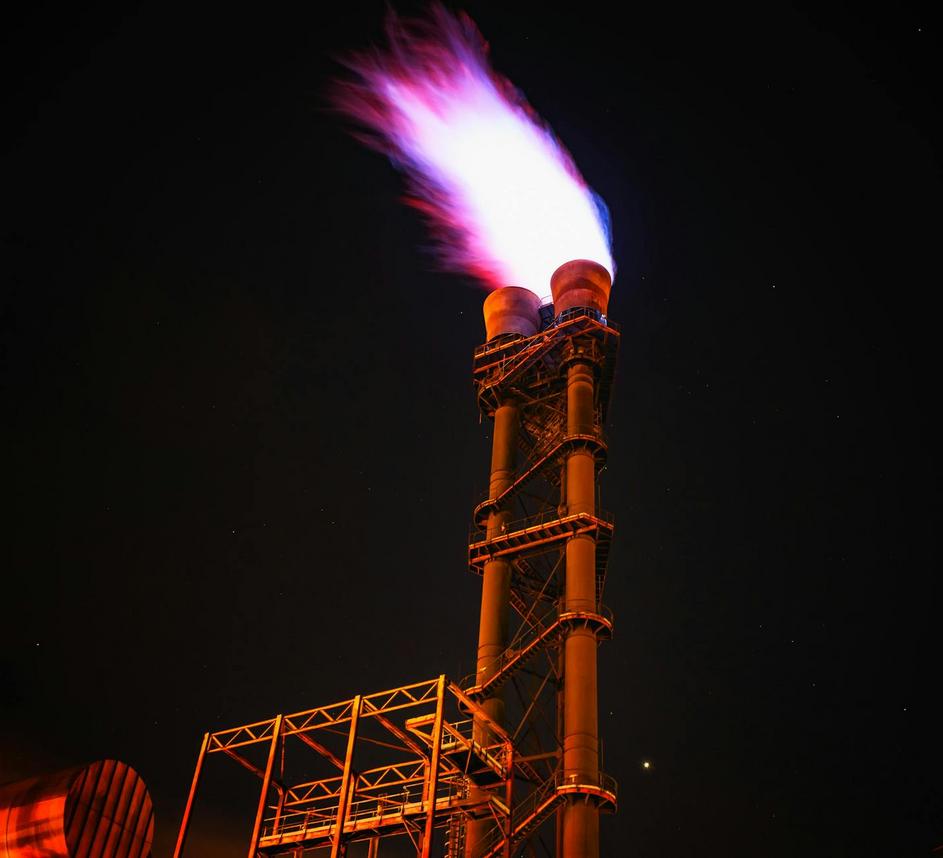
The primary driver behind the rising cost is the volatility in energy markets. Natural gas prices, influenced by global demand and supply chain disruptions, have seen significant fluctuations recently. This turbulence in the market is further exacerbated by geopolitical tensions and the push for cleaner energy sources, which have added layers of complexity and unpredictability to energy sectors worldwide. Consequently, local utility companies are compelled to adjust their prices to cover these elevated costs.
For residents, this rise in heating bills may strain already tight budgets. It’s essential for consumers to proactively engage with available resources to alleviate this burden. Energy assistance programs, such as the Home Energy Assistance Program (HEAP), offer critical support by providing financial aid to eligible households. Furthermore, investing in energy efficiency by weatherproofing homes and adopting smarter energy usage habits can yield significant savings over time.
Aside from immediate financial guidance, this situation is a stark reminder of the broader energy challenges that lie ahead. The transition to sustainable energy sources poses its own set of difficulties and necessitates concerted efforts from policymakers, businesses, and consumers alike. While short-term solutions can offer relief, long-term strategies must focus on resilience and sustainability to shield consumers from future spikes in energy prices.
In conclusion, the anticipated rise in heating costs this winter serves as a wake-up call for residents of Western New York. Navigating this increase will require both immediate action and strategic long-term planning. By embracing both personal energy-saving measures and broader policy changes aimed at sustainability, the community can better prepare itself to face the challenges of a changing energy landscape, ensuring that warmth and comfort remain accessible to all.